Luxury in 2026: Participation, Presence, and the Next Phase of Growth
Last week we opened the Luxury Markets course at Sotheby’s Institute of Art with 30 professionals from across the world.
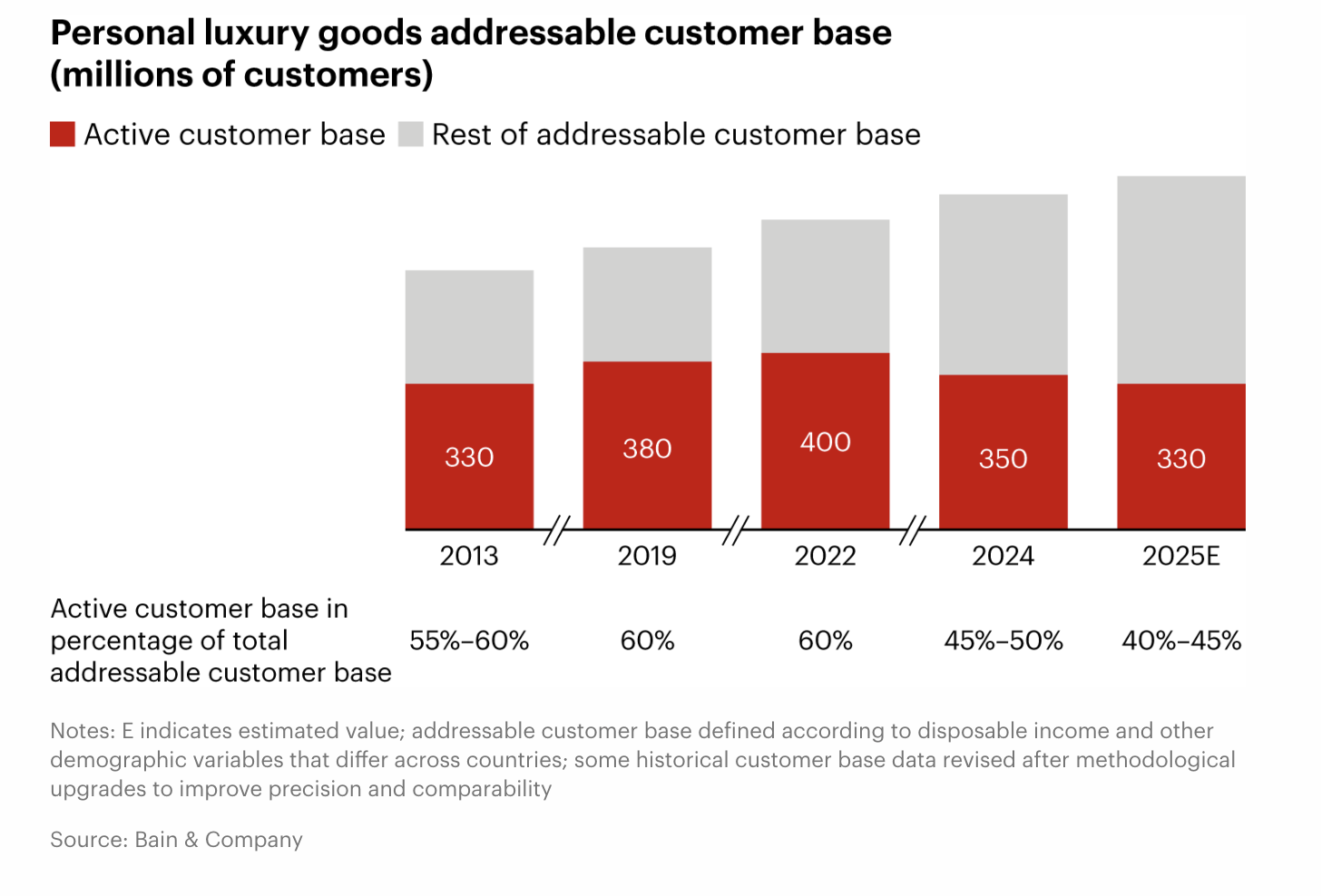
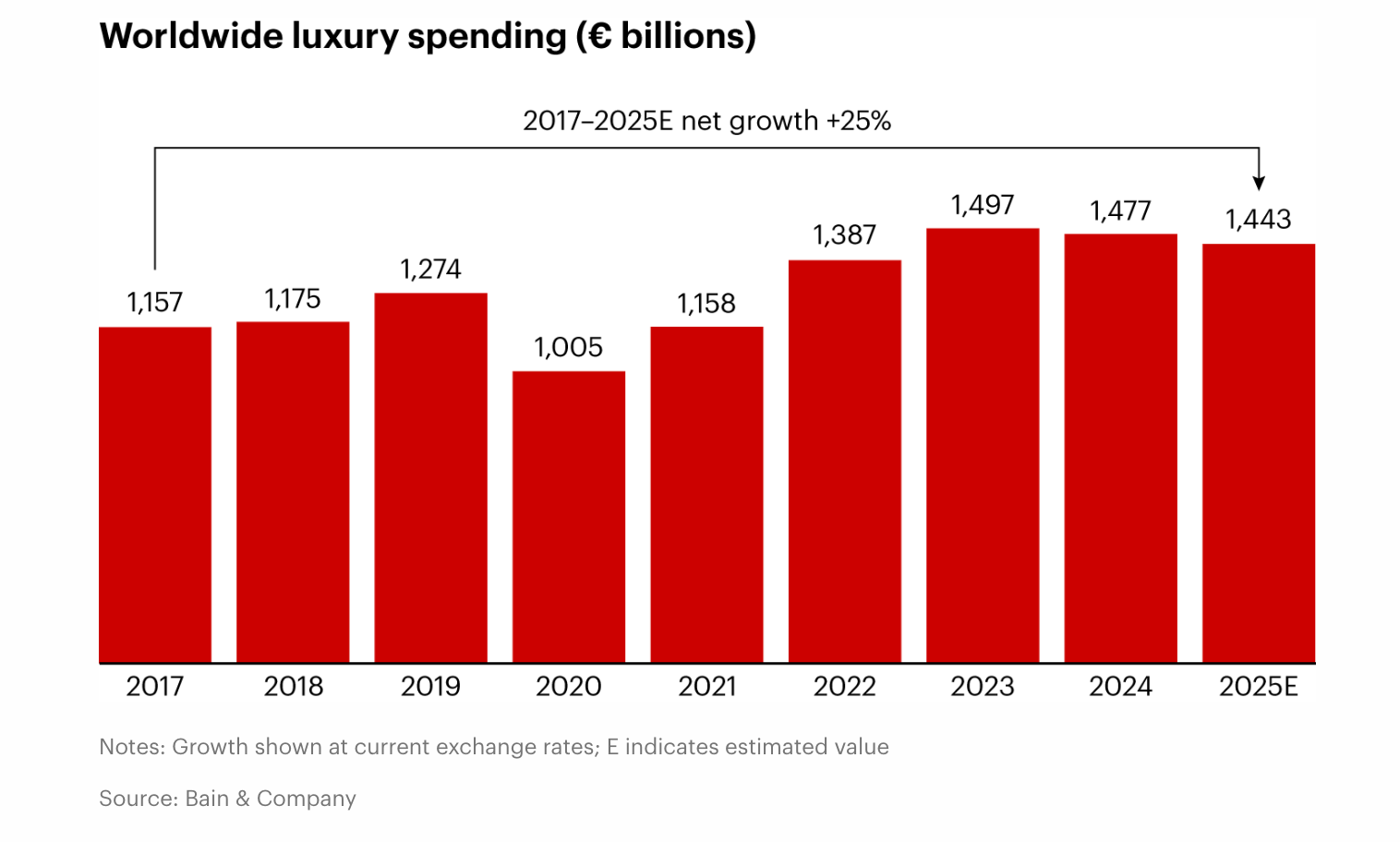
We began with diving deep in the 2025 study from Bain & Company. The data confirms what many leaders have sensed. After years of exceptional acceleration, the global luxury market has entered a phase of stabilization. Personal luxury goods have experienced a modest contraction, and over the past two years the active customer base has progressively narrowed.
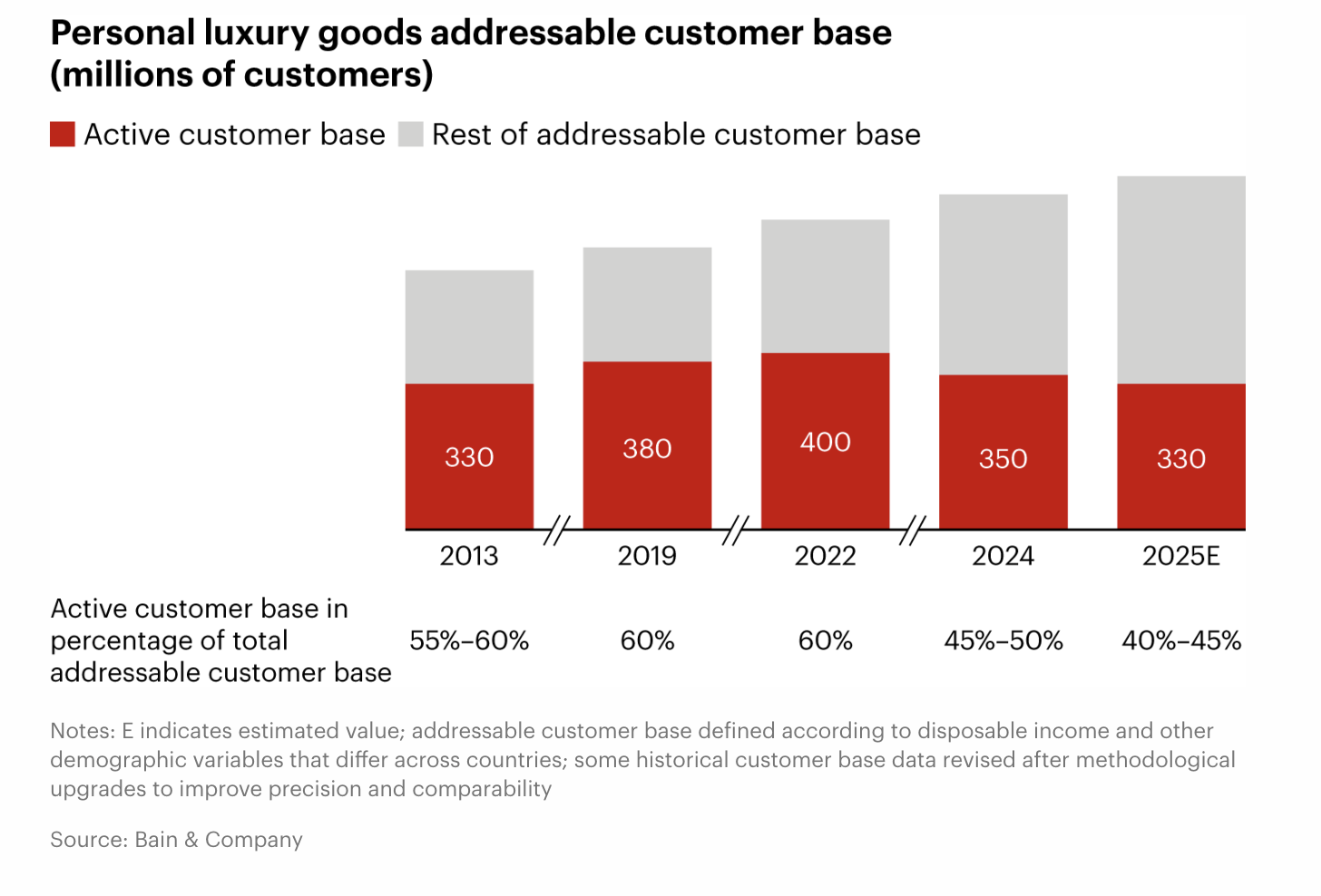
Between 2023 and 2025, the active personal luxury goods customer base moved from roughly 400 million to around 330 million. The addressable market remains. Wealth remains.
What has shifted is participation.
That contraction does not signal disappearance. It signals selection.
Personal luxury goods are the emotional core of the industry.
They sit closest to identity, aspiration, and discretionary conviction. When engagement tightens here, it reflects more than short-term caution. It suggests a recalibration of perceived value.
Macroeconomic uncertainty explains part of the slowdown. It does not fully explain disengagement.
The deeper shift is cultural.
When Visibility Is No Longer Enough
For much of the previous decade, luxury operated within a culture of amplification.
Visibility signalled status. Belonging was expressed publicly. Desire travelled through exposure.
Today, that mechanism feels less powerful.
Consumers still want luxury. They still want belonging. But belonging has become more intentional. Less about scale, more about coherence. Less about performance, more about presence.
We are moving from amplification toward alignment.
From visibility toward resonance.
From public stage toward more intimate space.
Platforms reflect this evolution. The growing importance of TikTok illustrates how discovery has shifted from follower-driven to interest-driven. Influence circulates within smaller, culturally coded communities. Participation emerges from shared signals rather than mass broadcast.
Luxury has not become less social. It has become more discerning.
The Human Dimension
What emerged strongly in our discussion was the human recalibration underlying these numbers.
Affluent consumers seek brands that feel present rather than performative.
They look for value alignment rather than spectacle.
They want meaningful experiences shared within smaller circles of people who appreciate what they appreciate and care about what they care about.
Belonging is increasingly intimate.
There is a desire for connection that feels physical, human, grounded. A wish to create memories with those who matter. A preference for participation that enhances balance and wellbeing rather than simply amplifying visibility.
Luxury, in this context, is evaluated by what it contributes to.
How are you helping me live longer and better? How are you strengthening and expanding me mentally, physically and spiritually?
Endurance and Emotional Energy
Craftsmanship, excellence, and integrity remain foundational. Permanence still matters.
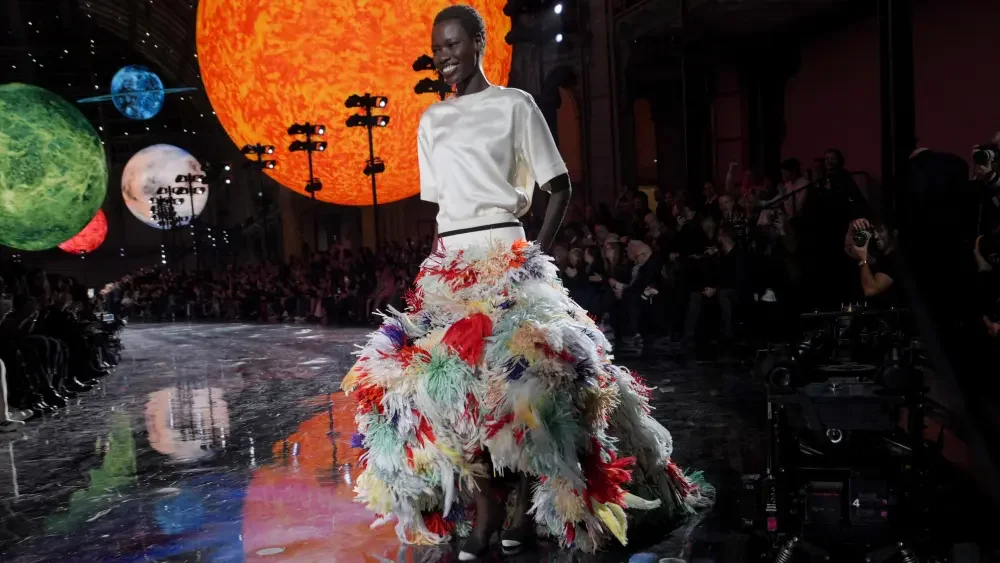
Yet there is appetite for joy. For lightness. For creative energy that feels emotionally attuned and culturally aware.
Participation narrows when products feel safe but uninspiring. When they endure, but do not move.
Luxury must hold steadiness and spirit together.
Growth in a More Selective Market
For several years, price increases supported a significant share of growth in personal luxury goods.
That lever is now more constrained. Profitability increasingly depends on operational discipline, internal optimisation, and intelligent execution. Efficiency matters.
But efficiency alone will not restore participation.
Brands must also renew emotional momentum. The market remains structurally strong. The invitation to engage must feel meaningful again.
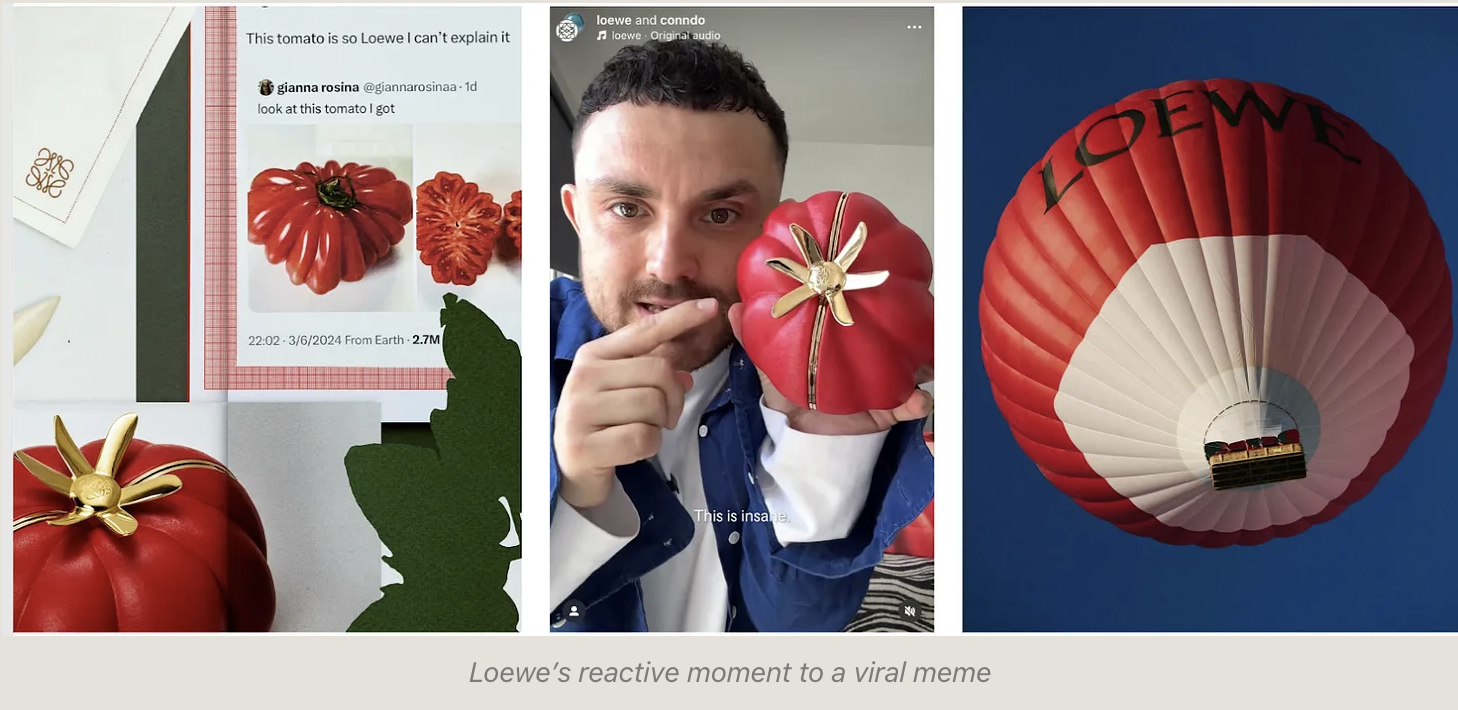
With 2.3M followers and nearly 55M likes, Loewe has become one of the most engaging luxury brands on TikTok.
Its videos regularly surpass one million views, with pop culture references and luxury storytelling in a way that feels authentic to the Gen Z audience.
The industry has already begun adapting. The strategic investment in platforms such as TikTok reflects a recognition that relevance now requires more nuanced engagement. Experimentation with new formats, new communities, and new storytelling languages is visible. Yet presence on a platform is only the beginning.
The next phase requires greater depth — in product clarity, in storytelling coherence, in understanding the communities brands seek to serve.
Precision becomes important here as discipline. Precision in how brands listen. Precision in how they speak. Precision in how they protect both margin and meaning.
Technology, including artificial intelligence, underpins this discipline. It enables brands to refine understanding at scale and to communicate more contextually. It does not replace human connection. It supports its accuracy.
The Work Ahead
In the coming sessions at Sotheby’s Institute of Art, we will continue exploring how this recalibration reshapes:
• The relationship between luxury and art
• The evolution of storytelling
• Strategic choices around sustainability and responsibility
• And the role of technology as infrastructure supporting creativity and precision.
Luxury is not shrinking. It is becoming more intentional, more selective, and more human.
Participation is narrowing — not because desire has vanished, but because expectations have deepened. Leading in this environment requires clarity, cultural intelligence, and the ability to cultivate presence with discipline.
Visibility once fuelled growth.
Presence will sustain it.